

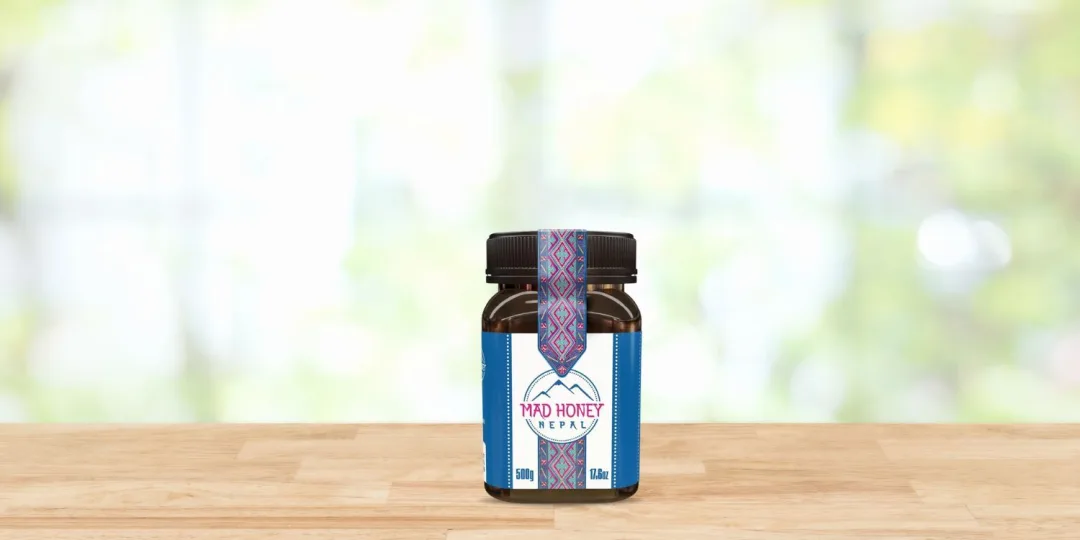
Curious about the latest craze surrounding mad honey? You’ve probably heard the whispers of its intriguing properties and unique allure, but is it truly worth all the hype? Before you take a dip into this honey pot, there are crucial aspects to consider. From its ancient roots to modern-day uses, the world of mad honey holds a blend of mystique and caution that might just pique your interest. So, are you ready to uncover the secrets behind this golden elixir and decide for yourself?
Ancient Origins of Mad Honey
mad honey , with its potent effects and rich history, traces its origins back to ancient times. Historically, it was used by various cultures for its medicinal and hallucinogenic properties.
In ancient Greece, warriors consumed mad honey before battles for its energizing effects. The Nepalese Gurung people have been harvesting mad honey for centuries, using it both for its supposed medicinal benefits and as a traditional food flavoring.
The process of making mad honey involves bees collecting nectar from specific rhododendron flowers, which contain grayanotoxins that give the honey its psychoactive properties. These toxins are usually harmless in small doses but can be dangerous in large quantities, leading to symptoms like dizziness, nausea, and even hallucinations.
Today, mad honey continues to be produced in regions like Turkey, Nepal, and Brazil, where it’s sought after for its unique taste and potential health benefits. Despite its ancient origins, the fascination with mad honey persists, captivating both researchers and consumers alike.
Health Benefits and Potential Risks
With its reputation for medicinal and psychoactive properties, mad honey has been associated with various health benefits and potential risks. Advocates of mad honey consumption claim that it can aid in digestive issues, boost energy levels, and even improve sexual performance. Some believe that its antibacterial properties can help fight infections and promote overall wellness.
However, it’s essential to be cautious of the potential risks associated with consuming mad honey. Excessive ingestion can lead to a condition known as mad honey poisoning, characterized by symptoms like dizziness, weakness, nausea, and even heart complications. Moreover, individuals allergic to pollen or honey may experience adverse reactions.
It’s crucial to source mad honey from reputable sources to ensure purity and authenticity, as contaminated or fake products can pose serious health risks. Before incorporating mad honey into your diet for its potential benefits, it’s advisable to consult with a healthcare professional to assess any potential risks or interactions with existing medical conditions or medications.
How to Identify Authentic Mad Honey
When it comes to identifying authentic mad honey, ensuring its purity and quality is paramount. Authentic mad honey, also known as grayanotoxin honey, is produced by bees that collect nectar from the Rhododendron flowers found in certain regions like Nepal, Turkey, and Brazil.
To identify genuine mad honey, look for a dark amber color with reddish hues and a slightly bitter taste. The texture should be thick and sticky, and the aroma may have a hint of earthiness. Authentic mad honey also tends to crystallize over time, forming a smooth and fine crystalline structure.
Be cautious of counterfeit products that may mimic the appearance of mad honey. Fake versions may lack the characteristic bitterness or have a lighter color and runnier consistency.
To ensure you’re purchasing authentic mad honey, buy from reputable sources or directly from beekeepers in the regions where it’s known to be produced. Remember, the purity of mad honey is essential not only for its unique flavor but also for its potential health benefits.
Culinary and Medicinal Uses
To fully appreciate the distinct characteristics of authentic mad honey, it’s important to explore its diverse applications in both culinary and medicinal practices.
In culinary use, mad honey can add a unique flavor profile to various dishes. Its complex taste, with hints of floral sweetness and a slightly bitter undertone, makes it a popular choice for glazes, marinades, and even desserts. Some adventurous chefs have even incorporated it into salad dressings or drizzled it over cheese for a sophisticated treat.
Beyond its culinary appeal, mad honey has been used for centuries in traditional medicine. Due to its potential therapeutic properties, such as antibacterial and antioxidant effects, it has been utilized to treat ailments ranging from digestive issues to respiratory conditions. Some cultures also believe in its energizing and aphrodisiac qualities.
Whether you’re a food enthusiast looking to experiment with new flavors or someone interested in natural remedies, mad honey offers a fascinating blend of culinary and medicinal uses worth exploring.
Exploring the Global Fascination
A myriad of cultures around the world have been captivated by the allure of mad honey. From the remote villages of Nepal to the bustling markets of Turkey, the fascination with this unique honey variety transcends borders and unites people in their shared curiosity.
In Nepal, the Gurung tribe has a long history of harvesting mad honey from the cliffs of the Himalayas, where the giant Himalayan honeybee thrives. The Turkish region of Black Sea has also embraced mad honey, using it not only for its purported medicinal properties but also as a delicacy to be enjoyed with various dishes.
In Japan, mad honey has gained popularity among health enthusiasts seeking natural remedies, while in Brazil, it’s seen as a rare and exotic product with potential health benefits. The global appeal of mad honey lies in its mystique and the stories that surround it, drawing in adventurers, foodies, and wellness seekers alike.
Whether it’s for its purported medicinal properties or simply the thrill of trying something unique, the global fascination with mad honey continues to grow, sparking interest and intrigue in every corner of the world.
Frequently Asked Questions
Can Mad Honey Be Used as a Substitute for Regular Honey in Recipes?
Yes, mad honey can substitute regular honey in recipes, but be cautious due to its potential toxicity. Enjoy the unique flavor, but moderate consumption. Prioritize your health and safety when experimenting with this exotic honey variety in cooking.
Is Mad Honey Safe for Pregnant Women to Consume?
Yes, mad honey is not safe for pregnant women to consume. It contains grayanotoxins that can pose risks to you and your baby. It’s best to avoid consuming mad honey during pregnancy to ensure your health and safety.
Are There Any Known Interactions Between Mad Honey and Medications?
Yes, there are potential interactions between mad honey and medications. It’s crucial to consult a healthcare professional before consuming mad honey, especially if you are taking medications, to ensure your safety and well-being.
How Long Does the Psychoactive Effect of Mad Honey Last?
The psychoactive effect of mad honey typically lasts for a few hours. It’s important to be cautious as individual responses may vary. Remember to start with a small amount and wait to gauge its impact on you.
Can Mad Honey Be Used Topically for Skin Benefits?
Sure, mad honey can be used topically for skin benefits. Its antibacterial and anti-inflammatory properties make it a potential treatment for wounds and skin conditions. However, always perform a patch test first to check for any allergic reactions.
Conclusion
In conclusion, while the allure of mad honey is undeniable, it is important to approach it with caution due to the potential risks of poisoning. Understanding the balance between its health benefits and dangers is key to fully appreciating its unique qualities. Whether used in culinary dishes or traditional medicine, the fascination with mad honey highlights the need for careful consideration of its risks and benefits.

Leave a Reply