

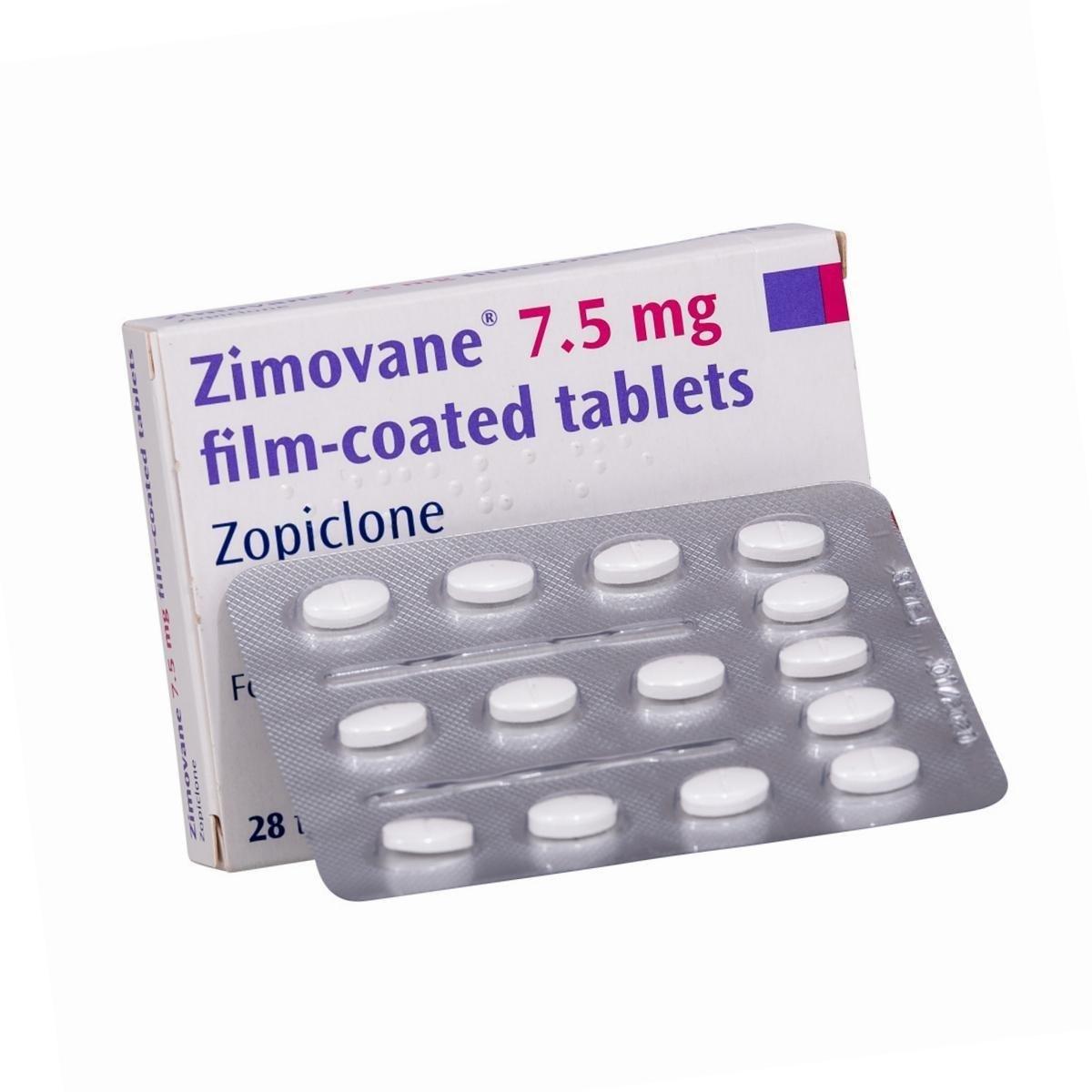
As you navigate the vast landscape of sleep aids, you’re likely wondering which one is right for you. Imovane, with its targeted approach to increasing GABA levels, seems promising, but how does it stack up against other options? You’ve probably considered over-the-counter sleep aids like diphenhydramine or melatonin supplements, or even natural remedies like valerian root and chamomile tea. But what about prescription sleep aids like Ambien or Lunesta? The question remains: which sleep aid will effectively address your insomnia without unwanted side effects? Let’s examine the pros and cons of each to determine the best fit for your unique needs.
Understanding köpa imovane utan recept ‘s Mechanism
When you’re struggling to fall asleep, your brain’s neurotransmitters are often to blame. They regulate your sleep-wake cycle, and an imbalance can make it difficult to drift off.
That’s where Imovane comes in. This prescription sleep aid works by increasing the levels of a neurotransmitter called gamma-aminobutyric acid (GABA) in your brain. GABA helps calm down your nervous system, making it easier to fall asleep.
As you take Imovane, it binds to GABA receptors, enhancing its calming effects. This allows your brain to relax, making it easier to fall asleep and stay asleep throughout the night.
Imovane also has a shorter half-life compared to other benzodiazepines, which means it’s less likely to leave you feeling groggy or disoriented in the morning. By targeting the root cause of your sleep issues, Imovane provides an effective solution for those who struggle with insomnia.
Over-the-Counter Sleep Aid Options
You’ve likely tried over-the-counter (OTC) sleep aids before turning to prescription medications like Imovane.
These OTC options are widely available and often seem like a convenient solution to your sleep problems. However, it’s essential to understand their effects and limitations.
Diphenhydramine, found in brands like Benadryl, is a common OTC sleep aid. It works by blocking histamine, a neurotransmitter that helps regulate sleep.
While it can induce drowsiness, it’s not specifically designed for sleep and can have side effects like dry mouth, dizziness, and next-day grogginess.
Another popular OTC option is melatonin, a hormone that regulates sleep-wake cycles. However, the quality of melatonin supplements can vary, and it’s crucial to choose a reputable brand.
Additionally, melatonin mightn’t be effective for everyone, especially those with underlying sleep disorders.
When considering OTC sleep aids, remember that they mightn’t address the underlying causes of your sleep issues.
They can also interact with other medications or have adverse effects when used long-term.
It’s crucial to weigh the benefits against the potential risks and consult with a healthcare professional before making a decision.
Natural Sleep Remedies Compared
Since you’re considering prescription sleep aids like Imovane, you’ve likely explored natural sleep remedies as well. You’re wondering if they can help you catch some quality Z’s without the potential side effects of medication.
Let’s compare some popular natural sleep remedies to help you make an informed decision.
Melatonin supplements are a popular choice, and for good reason. They can help regulate your sleep-wake cycle, especially if you’re struggling with jet lag or insomnia.
Valerian root is another natural sleep aid that’s gained popularity in recent years. It has a calming effect on the nervous system, which can help you relax and fall asleep faster.
Chamomile tea, lavender oil, and CBD oil are other natural remedies that can promote relaxation and improve sleep quality.
When it comes to natural sleep remedies, consistency is key. Establish a bedtime routine that includes one or more of these remedies, and stick to it.
You may need to try a combination of remedies to find what works best for you. While natural sleep remedies may not be as potent as prescription sleep aids, they’re a great alternative for those who prefer a more holistic approach to sleep health.
Prescription Sleep Aids Vs Imovane
Across the landscape of prescription sleep aids, Imovane stands out as a popular choice, but how does it stack up against its competitors?
You’re likely considering other options, such as Ambien, Lunesta, or Sonata. These medications, like Imovane, are classified as sedatives or hypnotics, designed to induce sleep quickly. However, each has its unique characteristics.
Imovane, a benzodiazepine, is known for its fast-acting properties, helping you fall asleep within 15-30 minutes.
It’s often prescribed for short-term use, typically 7-10 days.
Ambien, another popular choice, is a non-benzodiazepine that works similarly to Imovane.
Lunesta, on the other hand, is a longer-acting medication, staying in your system for up to 9 hours.
Sonata, with its shorter half-life, is often prescribed for those who’ve trouble staying asleep.
When choosing between these prescription sleep aids, consider your specific needs.
If you struggle with falling asleep, Imovane or Ambien might be the better choice.
If you have trouble staying asleep, Lunesta or Sonata could be more effective.
Ultimately, it’s essential to consult with your doctor to determine the best prescription sleep aid for you.
Weighing Side Effects and Interactions
When evaluating prescription sleep aids, it’s not just about finding one that helps you sleep – it’s also about minimizing potential risks.
You need to weigh the benefits against the potential side effects and interactions. Imovane, for instance, can cause drowsiness, dizziness, and confusion. It can also interact with other medications, such as antidepressants and antihistamines, which can increase the risk of adverse reactions.
Other sleep aids, like Ambien and Lunesta, have their own set of side effects and interactions.
Ambien can cause hallucinations, agitation, and memory lapses, while Lunesta can lead to headaches, dizziness, and difficulty concentrating. Additionally, both medications can interact with other substances, such as alcohol and opioids, which can worsen their side effects.
When choosing a sleep aid, you should consider your medical history, current medications, and lifestyle.
Be honest with your doctor about any health conditions, allergies, or medications you’re taking. This will help you and your doctor make an informed decision about which sleep aid is right for you and minimize the risk of adverse reactions.
Conclusion
You’ve weighed the pros and cons of Imovane against other sleep aids. Now, it’s time to make an informed decision. Consider your individual needs and health status. If you’re looking for a targeted, fast-acting solution, Imovane might be the best fit. However, if you prefer a more holistic approach or have specific health concerns, another option might be more suitable. Whatever you choose, prioritize your health and consult a healthcare professional to ensure a restful night’s sleep.

Leave a Reply