

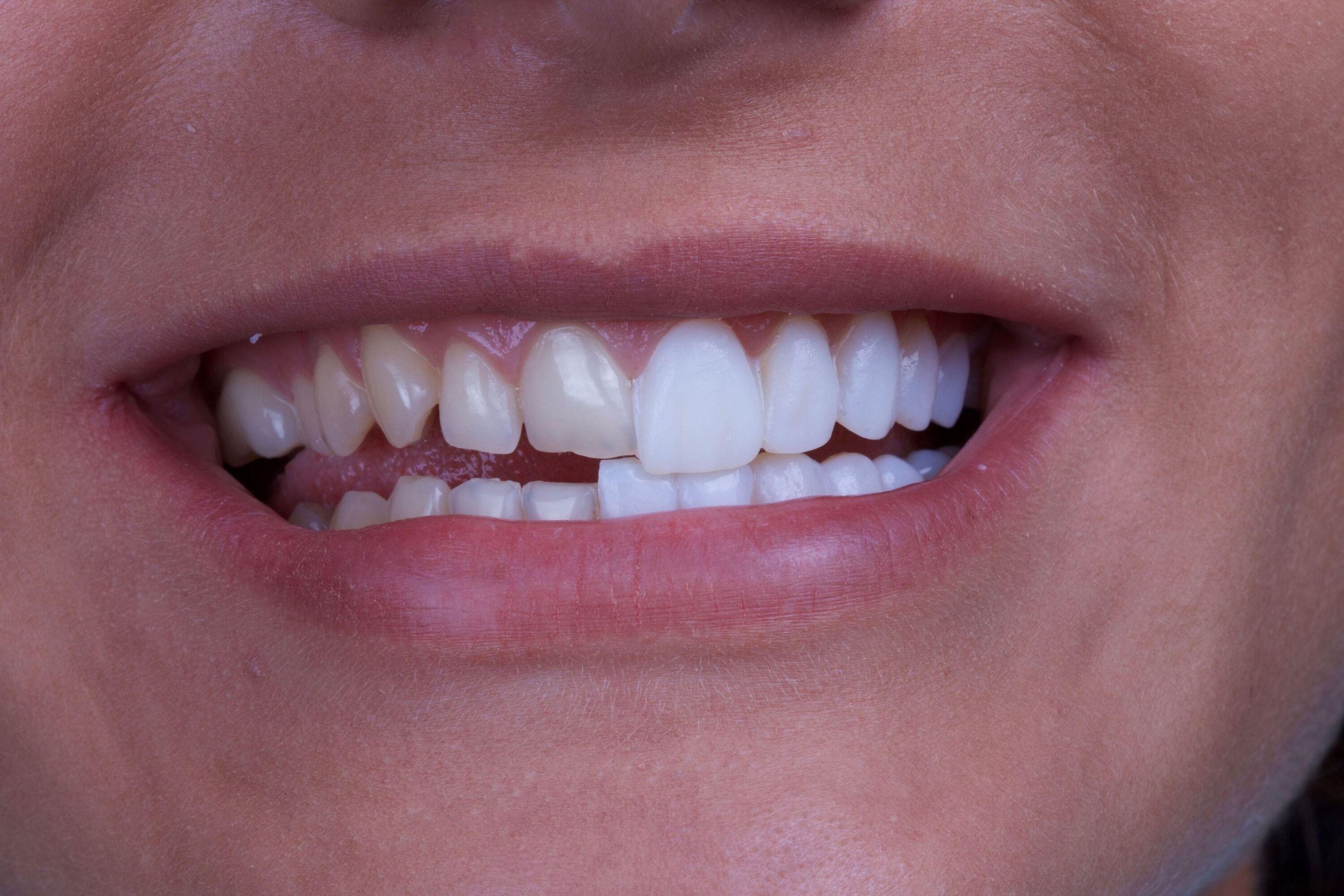
As you consider enhancing your smile, you’ve likely come across the terms “cosmetic dentistry” and “dental aesthetics.” But what’s the difference between these two popular options? While both aim to improve your smile’s appearance, they have distinct approaches and goals. Cosmetic dentistry focuses on individual teeth, addressing functional issues like whitening and bonding. However, there’s a more comprehensive approach that considers your entire facial structure, skin tone, and hair color to create a harmonious balance between your smile and facial features. You’re probably wondering which one is right for you – and that’s exactly what we’re about to explore.
Understanding Cosmetic Dentistry
What do you think of when you hear the term “cosmetic dentistry”? Do you envision a sparkling Hollywood smile or a flawless row of pearly whites? You’re not alone.
Cosmetic dentistry is often associated with enhancing the appearance of your teeth and smile. It’s a branch of dentistry that focuses on improving the aesthetic appeal of your teeth, gums, and overall oral appearance.
You might be surprised to learn that cosmetic dentistry isn’t just about looks. While it’s true that a beautiful smile can boost your confidence, cosmetic dentistry also addresses functional issues.
For instance, teeth whitening can remove stubborn stains, while diş estetiği fiyatları bonding can repair chipped teeth. Veneers, crowns, and bridges can even replace or repair damaged teeth.
When you undergo cosmetic dentistry, you’re not just getting a superficial fix; you’re investing in your overall oral health. A skilled cosmetic dentist will assess your teeth, gums, and bite to identify areas that need improvement.
The Scope of Dental Aesthetics
Frequently, when people think of dental aesthetics, they assume it’s just a fancy term for cosmetic dentistry.
But, as you delve deeper, you’ll find that dental aesthetics encompasses a broader scope. It’s not just about making your teeth look good; it’s about creating a harmonious balance between your smile and your overall facial features.
Dental aesthetics considers the shape of your face, the color of your skin, and even the way your teeth align with your lips.
You’ll notice that dental aestheticians focus on the entire facial structure, taking into account the proportions and symmetry of your features.
They’ll analyze how your teeth, gums, and lips work together to create a visually appealing smile. This holistic approach allows them to design treatments that not only improve the appearance of your teeth but also enhance your overall facial beauty.
Key Differences in Treatment
As dental aestheticians focus on the entire facial structure, their treatment approach differs significantly from that of cosmetic dentists.
They consider the interplay between your facial features, skin tone, and hair color to create a harmonious look. This holistic approach means they’ll assess your facial proportions, lip shape, and gum display to develop a personalized treatment plan.
In contrast, cosmetic dentists primarily focus on the teeth and gums, often treating each tooth separately rather than considering the entire facial aesthetic.
You’ll notice this difference in the way they approach common procedures like teeth whitening or veneers.
A dental aesthetician will consider how these treatments will affect your overall facial harmony, while a cosmetic dentist might focus solely on the individual teeth.
This distinction in treatment approach can result in dramatically different outcomes.
Smile Design and Facial Harmony
Step into the world of smile design, where the nuances of facial harmony come into play.
You’ll discover that a beautiful smile is more than just straight teeth or a bright color. It’s about balance, proportion, and harmony with your facial features.
A skilled dentist will analyze your facial shape, skin tone, and lip contour to create a smile that complements your overall aesthetic.
Your dentist will consider the golden ratio, a mathematical principle that governs the proportions of natural beauty.
They’ll also examine the shape and size of your teeth, taking into account the size and shape of your mouth, nose, and jaw.
The goal is to create a smile that looks and feels natural, rather than a generic, one-size-fits-all solution.
Choosing the Right Specialist
You’ve invested time in understanding the intricacies of smile design and facial harmony, and now you’re ready to take the next step.
Choosing the right specialist is crucial in achieving your desired results. When it comes to cosmetic dentistry, you’ll typically want to consult a prosthodontist or an orthodontist. These specialists have advanced training in restoring and straightening teeth, respectively.
For dental aesthetics, a general dentist with a focus on cosmetic procedures might be a good fit. They can provide services like teeth whitening, bonding, and veneers.
However, if you’re looking for a more comprehensive approach that combines dental aesthetics with facial harmony, consider consulting a dentist who specializes in smile design. These professionals have a deep understanding of the nuances of facial aesthetics and can create a customized treatment plan that addresses your unique needs.
Ultimately, it’s essential to research and find a specialist who shares your vision and has a track record of delivering exceptional results. Don’t be afraid to ask questions, request before-and-after photos, and schedule consultations before making a final decision.
Conclusion
You’ve learned the difference between cosmetic dentistry and dental aesthetics. Now, it’s time to decide which path is right for you. If you’re looking to fix a specific issue, like whitening or bonding, a cosmetic dentist might be the way to go. But if you want a smile that’s tailored to your unique facial features, a dental aesthetician is the better choice. Either way, you’ll be on your way to a brighter, more confident you.

Leave a Reply