

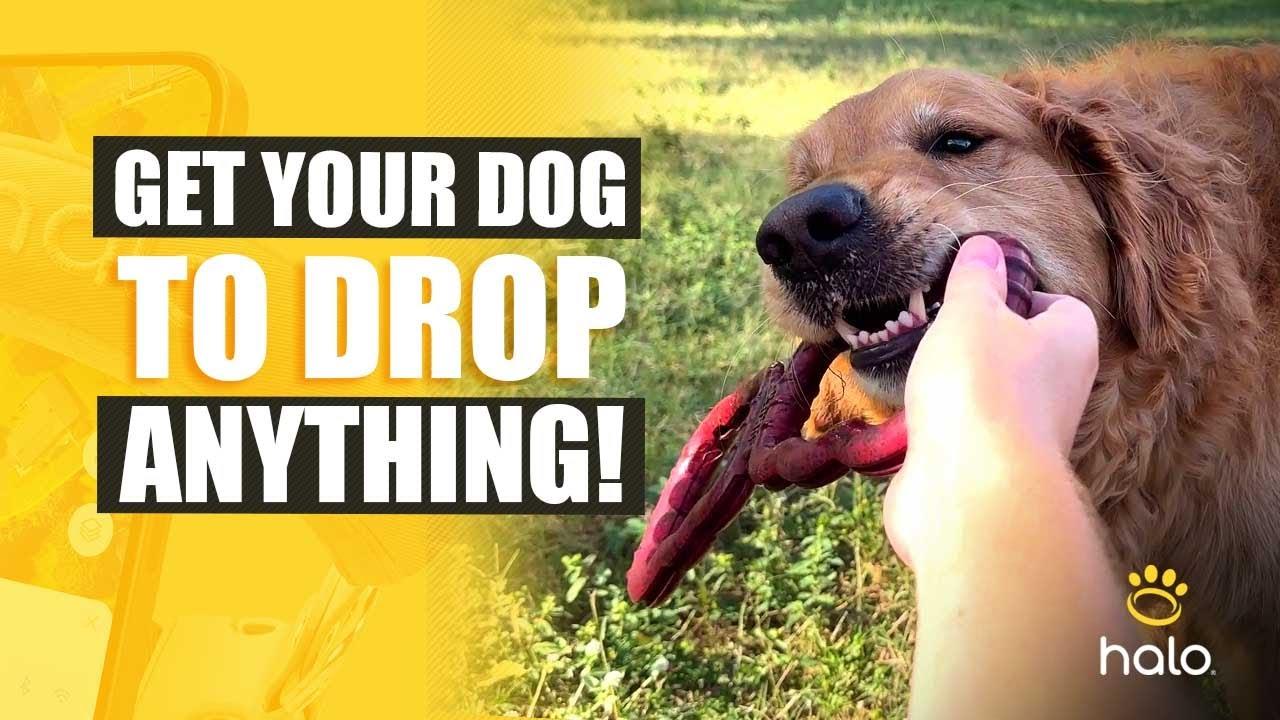
As you embark on the journey of building a stronger bond with your dog, you’re likely wondering where to start. You’ve probably heard that consistency and positive reinforcement are key, but what does that really mean in practice? How do you set boundaries without stifling your dog’s natural instincts, and what common mistakes should you avoid to prevent frustration and confusion? By grasping the essential do’s and don’ts of dog training, you’ll unlock the secret to a deeper, more loving relationship with your furry companion. Now, let’s explore the essential strategies to get you started.
Understanding Canine Behavior
As you delve into the world of dog training, it’s essential to understand the language spoken by your furry friend – canine behavior.
Dogs communicate primarily through body language, using postures, facial expressions, and tail positions to convey emotions and intentions. By recognizing these cues, you’ll better understand what your dog is trying to tell you.
For instance, a tucked tail may indicate fear or submission, while a raised hackles may signal defensiveness or aggression.
You’ll also need to pay attention to vocalizations, such as barks, whines, and growls, which can convey excitement, anxiety, or warning.
Understanding these signals will help you respond appropriately, reducing misunderstandings and strengthening your bond. Additionally, being aware of your dog’s natural instincts, such as chasing or herding, will enable you to design training exercises that cater to their needs and instincts.
Setting Boundaries and Rules
Three key elements form the foundation of effective dog How to Train Your Dog : understanding canine behavior, setting boundaries and rules, and establishing clear communication.
Now that you’ve gained insight into your dog’s behavior, it’s time to set boundaries and rules.
This is crucial because dogs thrive on structure and predictability. Without clear guidelines, your dog may feel anxious or confused, leading to behavioral problems.
You set boundaries by defining what behaviors are acceptable and what’s not.
Establishing rules helps your dog understand what’s expected of them in different situations. It’s essential to be consistent in enforcing these rules, so your dog knows what to expect.
Start by setting simple rules, such as not jumping on furniture or not begging at the table.
As your dog becomes more familiar with these rules, you can gradually introduce more complex ones.
Effective Communication Techniques
Your dog’s ears perk up, and their eyes lock onto yours when you speak. This instant connection is key to effective communication in dog training.
To build on this foundation, use clear, concise commands that your dog can easily understand. Avoid using complex sentences or long phrases, opting instead for short, sharp cues like “sit” or “stay.” Consistency is also crucial, so choose a specific command for each action and stick to it.
Positive reinforcement is another essential technique. Reward your dog with treats, praise, and affection when they respond correctly to a command. This encourages them to repeat the behavior, reinforcing the connection between the command and the desired action.
Be mindful of your tone and body language, too. Speak calmly and clearly, and avoid physical punishment or negative reinforcement, which can create anxiety and undermine your relationship with your dog. By communicating effectively, you’ll build trust and strengthen your bond, paving the way for successful training and a lifelong friendship.
Avoiding Common Training Mistakes
Many dog owners unintentionally sabotage their own training efforts, often due to simple mistakes that can be easily avoided.
One common mistake is inconsistency in commands and rewards. You may inadvertently confuse your dog by using different commands for the same behavior or rewarding undesired actions.
To avoid this, establish a clear training plan and stick to it.
Another mistake is pushing your dog too hard, leading to frustration and burnout.
Remember, training should be a positive, enjoyable experience for both you and your dog. Don’t overdo it, and always end sessions on a high note while your dog is still engaged.
You should also avoid punishing your dog for mistakes.
Punishment can create anxiety and fear, undermining your training efforts. Instead, focus on rewarding desired behaviors and ignoring undesired ones.
Nurturing a Stronger Bond
With every successful training session, you’re not only teaching your dog new behaviors, but also cultivating a deeper connection between you and your pet.
This bond is built on trust, respect, and clear communication. As you work together, your dog learns to rely on you for guidance and support, and you learn to understand their needs and emotions.
To nurture this bond, make time for activities that bring you and your dog joy.
Engage in play, go on walks, and have fun together. Positive reinforcement training methods also help strengthen your relationship by focusing on rewards rather than punishment.
Be present in the moment, and acknowledge your dog’s achievements, no matter how small. This encourages them to continue learning and looking to you for direction.
Conclusion
By following these essential do’s and don’ts, you’ll forge a lifelong connection with your dog. You’ll understand their behavior, set clear boundaries, and communicate effectively. By avoiding common mistakes and focusing on positive reinforcement, you’ll build trust and respect. As you nurture this bond, you’ll enjoy a stronger, more loving relationship with your dog. So, get started today and watch your connection grow stronger with each passing day.


Leave a Reply