

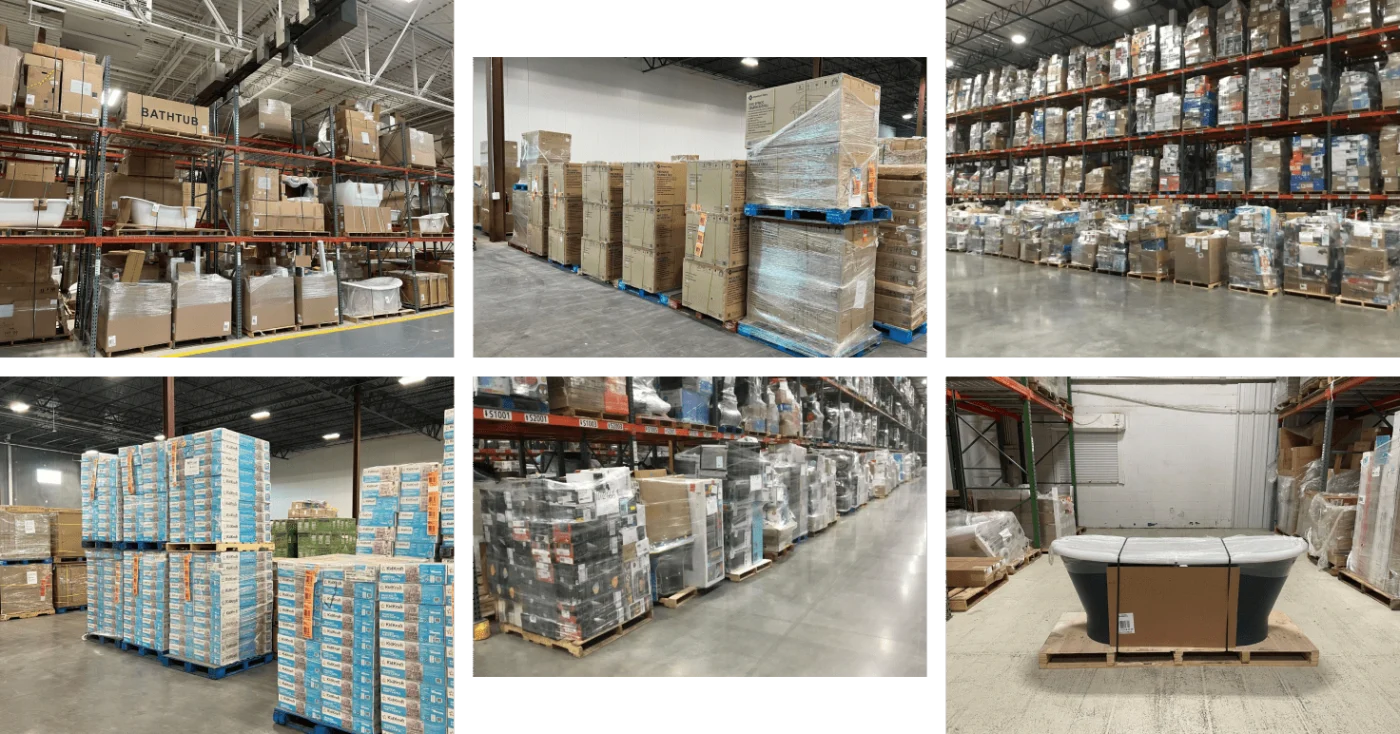
When you’re in the market to buy shoe pallets in bulk, you’re likely looking to score a great deal. But before you start shopping, it’s essential to do your homework. You’ll need to find reliable suppliers, evaluate pallet quality, and understand pricing structures. If you don’t, you could end up with a shipment of defective or low-quality shoes that’ll cost you more in the long run. By taking the time to research and prepare, you can avoid costly mistakes and snag a bulk deal that’ll save you big. But where do you start?
Researching Wholesale Shoe Suppliers
When buying shoe pallets in bulk, you need reliable wholesale shoe suppliers to ensure a consistent supply of high-quality products shoe pallets for sale.
You can’t afford to compromise on quality, or you’ll end up with a warehouse full of unsellable shoes.
To find the right suppliers, you’ll need to do some research. Start by asking for referrals from colleagues, friends, or family members who’ve had success with wholesale shoe suppliers.
You can also check online directories like SaleHoo or Worldwide Brands, which connect buyers with verified suppliers.
Another option is to attend trade shows or wholesale markets where you can meet suppliers in person and get a sense of their products and services.
Make a list of potential suppliers and start contacting them to ask about their products, pricing, and shipping policies.
Don’t be afraid to ask tough questions, like what kind of quality control measures they’ve in place or how they handle returns.
Evaluating Shoe Pallet Quality
You’ve narrowed down your list of potential wholesale shoe suppliers, and now it’s time to evaluate the quality of the shoe pallets they’re offering.
This step is crucial in ensuring you get the best value for your money. Start by inspecting the shoes themselves. Check for any signs of wear, damage, or defects. Make sure they’re authentic and not counterfeit products.
You should also verify the condition of the packaging, including the boxes, labels, and tags.
Next, ask your supplier about the pallet’s composition. Are the shoes a mix of different brands, styles, and sizes, or are they a single brand and style?
Are there any high-end or designer shoes in the pallet? Knowing the pallet’s composition will help you determine its overall value.
Additionally, inquire about the pallet’s history. Has it been previously used or returned? Has it been stored properly?
Getting answers to these questions will give you a better understanding of the pallet’s quality and help you make an informed purchasing decision.
Understanding Pallet Pricing Structures
How do you determine the value of a shoe pallet when prices vary widely between suppliers?
You’ll need to understand the pricing structures that suppliers use to quote their pallets. Typically, suppliers will quote you a price per unit, a price per pallet, or a price per lot.
The price per unit is the cost of a single shoe, while the price per pallet is the total cost of all shoes on the pallet. The price per lot is the total cost of a bulk order, which can include multiple pallets.
You should also consider the condition and authenticity of the shoes when evaluating prices. Are the shoes new, used, or refurbished? Are they genuine brand names or knockoffs?
These factors can significantly impact the price of the pallet. Additionally, suppliers may offer discounts for bulk orders, loyalty programs, or special promotions, which can further affect the pricing structure.
Negotiating the Best Deals Possible
Now that you’ve got a handle on pricing structures, it’s time to put your negotiation skills to the test.
You’ve done your research, so you know what a fair price is. It’s essential to be confident and assertive when negotiating. Start by making a reasonable offer, slightly lower than your target price.
Be prepared to explain why you’re making that offer, citing industry standards or comparable prices from other suppliers.
Be respectful and open to counteroffers. Remember, negotiation is a conversation, not a confrontation.
If the seller is unwilling to budge, ask if they can throw in any extras, like free shipping or a discount on your next purchase.
Don’t be afraid to walk away if the deal isn’t right – it’s better to wait for the right opportunity than to overpay.
Inspecting and Verifying Inventory
Inspecting the inventory before finalizing your bulk shoe pallet purchase is crucial, as it ensures you’re getting exactly what you pay for.
Don’t assume the seller’s count or description is accurate – you’ve got to see it for yourself. Check the pallets for any signs of damage, moisture, or pests.
Verify the quantity, style, and condition of the shoes match the seller’s claims. You don’t want to end up with a pallet of damaged or mismatched shoes that are worthless to your business.
Take your time to inspect each pallet, and don’t be afraid to ask the seller questions.
Are the shoes in their original packaging? Are there any defects or irregularities? Are the shoes from a specific brand or season?
Take photos and notes to document your findings, and use this information to negotiate the price or request replacements if necessary.
Conclusion
You’ve done your research, evaluated the quality, and negotiated the price. Now, it’s time to seal the deal. Make sure to inspect and verify the inventory before finalizing the purchase. With these steps, you’ll be well on your way to buying shoe pallets in bulk and saving big. By being informed and prepared, you’ll avoid costly mistakes and get the best value for your money.

Leave a Reply