

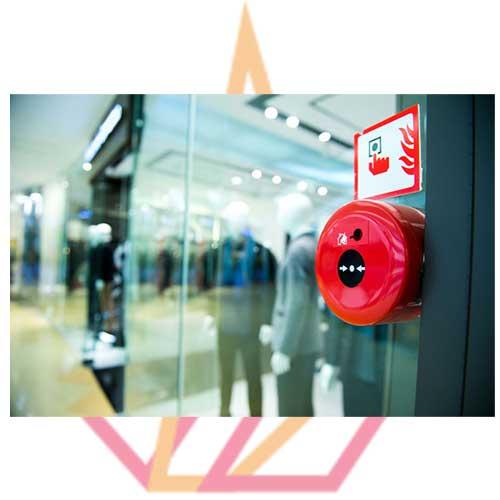
As you go about your daily routine, it’s easy to overlook the fire extinguishers mounted on your walls. But the truth is, their proper installation and maintenance can be the difference between life and death in an emergency. You might assume they’re just a precaution, but the reality is that a malfunctioning extinguisher can have devastating consequences. Are you confident that yours are installed correctly and ready for use? What would happen if you needed one right now? Fire Alarm Installation and Repair.
Installing Extinguishers Correctly Matters
Installing fire extinguishers correctly is crucial, as it can literally mean the difference between life and death.
You must ensure that you’re installing them in easily accessible locations, such as along normal paths of travel and near fire hazards. Make sure they’re not blocked by obstacles or hidden from view.
You should also consider the type of fire extinguisher you’re installing, as different types are effective against different types of fires. For example, Class A extinguishers are for ordinary combustibles, while Class B extinguishers are for flammable liquids.
You’ll also want to install extinguishers in areas where fires are more likely to occur, such as in kitchens or near electrical equipment.
Remember to follow the manufacturer’s instructions for installation, and to mount the extinguisher at the recommended height. Additionally, you should inspect the extinguisher regularly to ensure it’s still functional and easily accessible.
Common Maintenance Mistakes to Avoid
You’ve taken the first step in ensuring your fire extinguishers are ready to use in case of an emergency by installing them correctly.
Now, it’s crucial to avoid common maintenance mistakes that can render your extinguishers ineffective. One mistake isn’t checking the pressure gauge regularly. You should check it monthly to ensure the needle is in the green zone.
Failing to do so may result in an extinguisher that’s not fully charged or, worse, empty.
Another mistake isn’t inspecting the extinguisher’s physical condition. You should look for signs of damage, corrosion, or rust, and ensure the nozzle and hose are free from blockages.
Additionally, don’t forget to check the expiration date and replace the extinguisher if it’s past its recommended lifespan. Ignoring these tasks can lead to an extinguisher that’s unable to put out a fire.
Ensuring Accessibility and Visibility
Your fire extinguishers are installed and maintained, but if they’re not easily accessible and visible, they might as well not be there at all.
You need to ensure that you can quickly get to them in an emergency. Make sure they’re mounted in a location that’s easy to reach, and not blocked by obstacles or furniture. You should also consider the height and weight of the extinguisher, as well as the strength and ability of the people who may need to use it.
In terms of visibility, you want to make sure your fire extinguishers stand out from their surroundings.
Use signs or labels to clearly identify the location of each extinguisher. You can also use bright colors or reflective surfaces to make them more noticeable. It’s also essential to keep the area around the extinguisher clean and clutter-free, so it’s easy to access in an emergency.
Regular Inspection and Testing
How often do you inspect your fire extinguishers to ensure they’re functioning properly?
Regular inspection and testing are crucial to guarantee your fire extinguishers are ready to respond in case of an emergency. You should inspect your fire extinguishers at least once a month, and more often in high-risk areas.
During the inspection, you should check the extinguisher’s pressure gauge, ensure it’s easily accessible, and look for signs of damage or tampering.
You should also test your fire extinguishers annually, or according to the manufacturer’s instructions. Testing involves discharging the extinguisher to ensure it’s functioning correctly.
This process should be done by a trained professional to avoid damaging the equipment. Additionally, you should keep a record of your inspections and tests, including the date, time, and any issues found.
Consequences of Neglecting Maintenance
One in five fire extinguishers are found to be non-functional during annual inspections, often due to neglecting regular maintenance.
If you’re one of those who neglect maintenance, you’re putting your life and property at risk. A non-functional fire extinguisher can lead to devastating consequences, including property damage, injuries, and even loss of life.
When you fail to maintain your fire extinguishers, you’re inviting disaster. Corrosion, blockages, and other issues can render your extinguisher useless when you need it most.
If a fire breaks out, you’ll be left with a device that won’t work, leaving you and others vulnerable to the flames.
Additionally, neglecting maintenance can lead to costly repairs, fines, and even lawsuits.
In the event of a fire, you’ll be held liable for any damage or harm caused by your failure to maintain your fire extinguishers.
Don’t take the risk – prioritize fire extinguisher maintenance to ensure your safety and security.
Conclusion
You’ve taken the first step in fire safety by reading about the importance of fire extinguisher installation and maintenance. Now, it’s time to take action. Make sure you’re installing extinguishers correctly, avoiding common maintenance mistakes, and prioritizing accessibility and visibility. Regular inspections and testing are crucial too. Remember, neglecting these tasks can have devastating consequences. By staying on top of installation and maintenance, you’ll be better prepared to respond in an emergency and minimize the risk of fire-related disasters.

Leave a Reply