

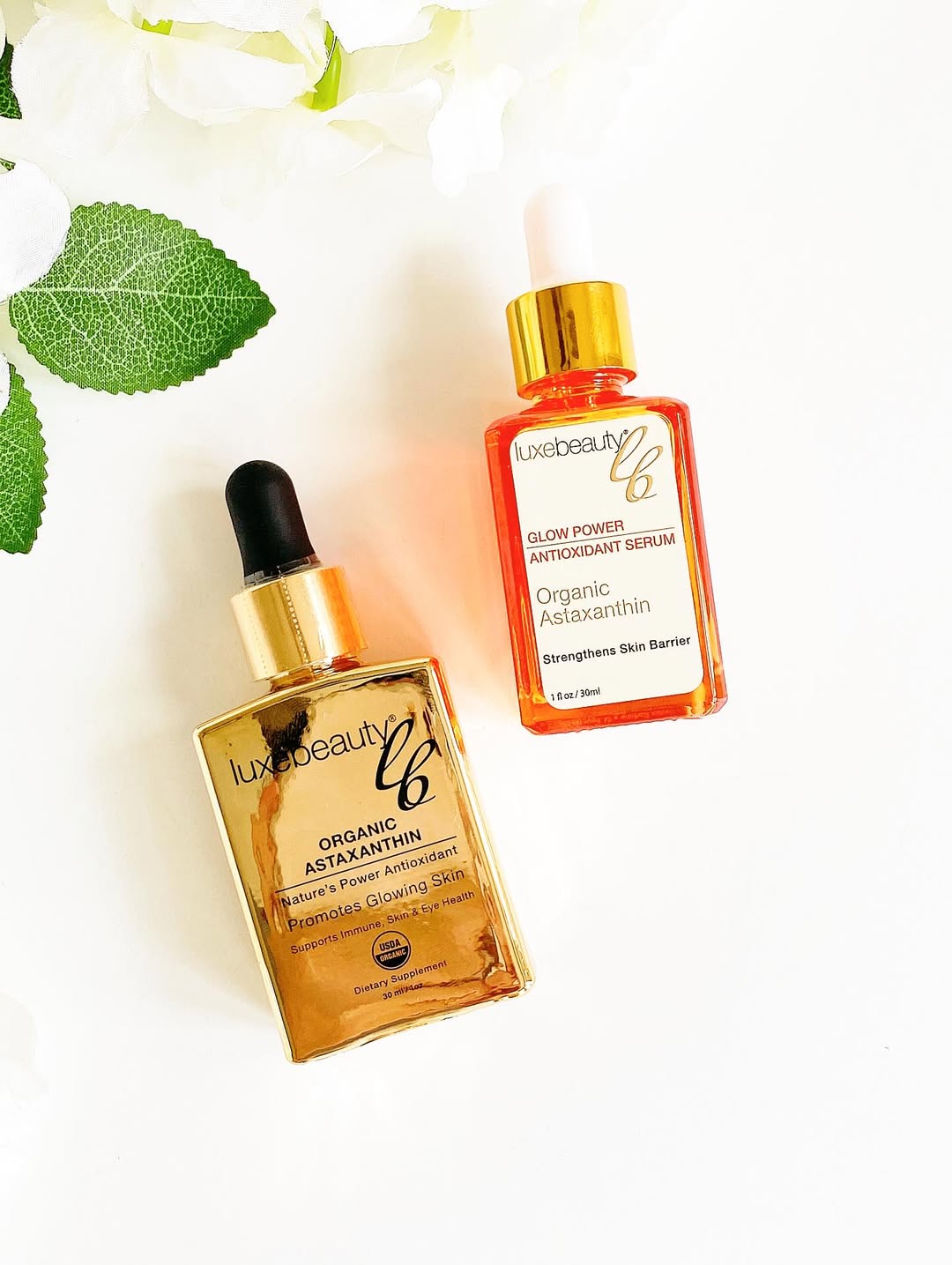
Buying beauty and skincare products can be exciting, but with so many choices available, finding the right option can also feel overwhelming. Different brands offer cleansers, moisturizers, serums, sunscreens, masks, and other products with a wide range of ingredients, prices, and promises. Instead of choosing a product simply because it is popular or attractively packaged, it is better to compare your options carefully. Understanding what to look for can help you make smarter purchasing decisions and build a skincare routine that suits your individual needs.
Start With Your Skin Type
The first step when comparing skincare products is understanding your skin type. Skin can generally be described as dry, oily, combination, normal, or sensitive. A product designed for oily skin may not provide enough moisture for someone with dry skin, while a rich formula could feel uncomfortable on oily skin.
Consider how your skin feels throughout the day. If it often feels tight or flaky, you may benefit from moisturizing products. If it becomes shiny quickly, lightweight or oil-free formulas may be more suitable. People with sensitive skin may want to prioritize gentle products with simple formulations.
Check the Ingredients
Ingredients are one of the most important factors to compare. Rather than focusing only on marketing claims on the front of the package, check the ingredient list to understand what the product contains.
Look for ingredients that match your skincare goals. For example, moisturizing ingredients can be useful when hydration is a priority, while other ingredients are commonly included in products designed to improve the appearance of uneven texture or dullness.
If you are trying a new active ingredient, introduce it gradually and follow the product's directions. Comparing ingredient lists can also help you avoid buying several products that perform essentially the same function.
Compare Product Benefits
Two products may belong to the same category but offer very different benefits. A moisturizer, for example, might focus primarily on hydration, while another may be formulated with additional ingredients intended to support the appearance of smoother or more balanced skin.
Read product descriptions carefully and identify the main purpose of each option. Ask yourself whether the product solves a need in your current routine. Buying something simply because it is trending may result in unnecessary products that do not contribute much to your skincare goals.
Consider the Price and Size
Price is another important comparison point, but the cheapest product is not always the best value. Check the amount of product included and consider how frequently you will use it.
A larger package may appear more expensive initially but could provide better value if you use the product regularly. On the other hand, an inexpensive product that you rarely use may not be worthwhile.
Comparing price per amount can give you a clearer idea of value rather than re only on the sticker price.
Look at Brand Reputation
When comparing beauty and skincare products, consider the reputation of the brand. Look for companies that provide clear product information, ingredient lists, usage instructions, and appropriate safety information.
Customer reviews can also provide useful insights into texture, scent, packaging, and overall experience. However, remember that skincare results can vary significantly between individuals. A product that works well for one person may not produce the same experience for another.
Think About Your Routine
Before buying a product, consider how it will fit into your existing routine. A complicated routine with too many products can be difficult to maintain.
Try to identify gaps instead. You may need a gentle cleanser, moisturizer, sunscreen, or another product that serves a specific purpose. Building a balanced routine is often more useful than constantly adding new products.
Check for Compatibility
If you are comparing multiple products, think about how they will work together. Using several strong or active formulas at the same time may not always be appropriate, especially for sensitive skin.
When introducing something new, consider adding one product at a time. This makes it easier to understand how your skin responds and identify which product is responsible if irritation occurs.
Read Reviews Carefully
Reviews can help you compare beauty and skincare products, but they should be treated as one source of information rather than the final decision. Pay attention to reviews that discuss specific characteristics such as texture, application, packaging, and suitability for different skin types.
Look for patterns rather than re on one extremely positive or negative comment.
Final Thoughts
Comparing beauty and skincare products before buying can save money and help you make more thoughtful choices. Focus on your skin type, ingredients, product benefits, price, brand reputation, and compatibility with your existing routine. Instead of chasing every new trend, choose Hair & Beauty Products that have a clear purpose and fit your personal needs. With a little research and careful comparison, shopping for skincare can become simpler, more practical, and more rewarding.

Leave a Reply