

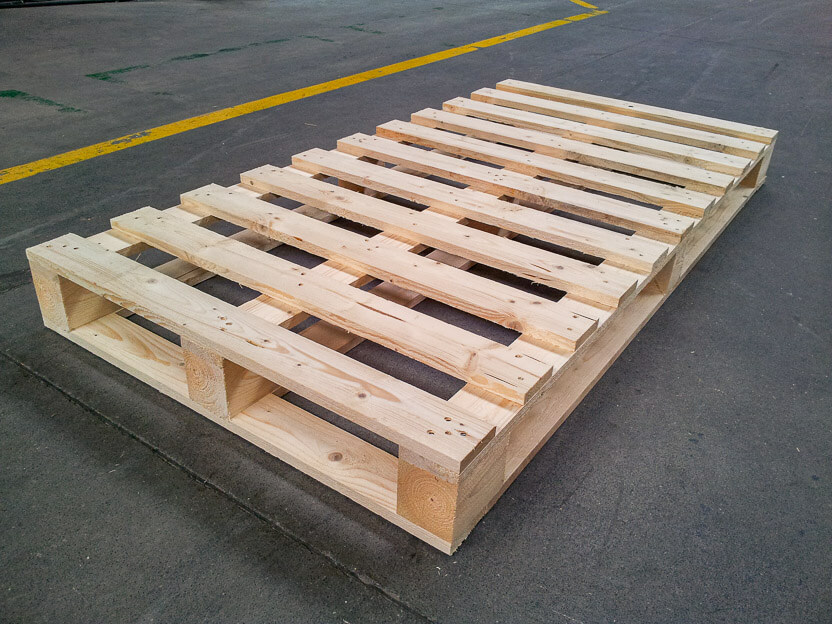
Shipping costs are a major concern for businesses that move products through warehouses, distribution centers, and international supply chains. While companies often focus on transportation rates and fuel expenses, the design of the pallet itself can also have a significant impact on logistics costs. A well-designed pallet can improve space utilization, reduce product damage, simplify handling, and lower overall transportation expenses. For this reason, thoughtful pallet design has become an important part of efficient supply chain management.
Understanding the Importance of Pallet Design
A pallet is more than a simple platform used to move goods. Its dimensions, weight, strength, materials, and construction can directly influence how efficiently products are stored and transported. Poorly designed pallets may create unused space, require additional packaging, or increase the risk of damaged products.
In contrast, an efficient pallet design is developed around the specific requirements of the products and transportation system. Businesses can select appropriate dimensions, materials, load capacities, and structural features to create pallets that provide reliable support without unnecessary weight or material usage.
Maximizing Transportation Space
One of the most effective ways pallet design can reduce shipping costs is by improving space utilization. Trucks, shipping containers, rail cars, and warehouses have limited capacity. When pallets are poorly sized or irregularly shaped, valuable space can be wasted.
Standardized pallet dimensions make it easier to arrange loads efficiently. Products can be stacked and positioned to use available floor and vertical space more effectively. Better space utilization means businesses may be able to transport more products in a single shipment, reducing the number of trips required.
Custom pallet designs can also be useful when products have unusual shapes or dimensions. A pallet designed specifically for a particular product can eliminate unnecessary gaps and create a more compact load.
Reducing Pallet Weight
Pallet weight can contribute to transportation expenses, particularly when shipping rates are influenced by total shipment weight. Traditional heavy pallets may add considerable weight to a shipment without increasing the quantity of products being delivered.
Modern pallet design can focus on achieving the right balance between strength and weight. Lightweight materials and optimized structural designs can provide adequate load-bearing capacity while reducing unnecessary material. Lower pallet weight can decrease total shipment weight and make manual handling easier.
However, reducing weight should never mean compromising safety. A pallet must be strong enough to support its intended load throughout storage, handling, and transportation.
Minimizing Product Damage
Damaged products can create significant hidden shipping costs. Businesses may have to replace goods, process returns, handle customer complaints, and pay additional transportation expenses. Poor pallet construction can contribute to shifting loads, broken packaging, or unstable stacks.
Effective pallet design helps keep products secure during transportation. Features such as appropriate deck spacing, reinforced areas, stable support points, and compatible load dimensions can reduce movement and improve load stability.
When products arrive in good condition, businesses can avoid many of the expenses associated with returns and replacements. In this way, pallet design contributes to cost savings beyond the transportation bill itself.
Improving Warehouse Efficiency
Shipping costs are closely connected to warehouse operations. Inefficient pallet designs can slow down loading, unloading, storage, and order preparation. If workers need extra time to position or secure pallets, labor expenses can increase.
A practical pallet design design should work efficiently with forklifts, pallet jacks, conveyors, and automated storage systems. Proper entry points and consistent dimensions can make handling faster and safer.
Efficient pallet design also supports better warehouse stacking. When pallets can be safely stored on racks or stacked according to operational requirements, businesses can make better use of available storage space and reduce unnecessary handling.
Choosing the Right Materials
Material selection is another important factor in cost-effective pallet design. Wood, plastic, metal, and composite materials each offer different advantages.
Wooden pallets are widely used because they are generally economical and easy to repair. Plastic pallets can provide durability, consistency, and resistance to moisture, making them useful in certain industries. Metal pallets may be appropriate for heavy-duty applications where exceptional strength is required.
The best choice depends on factors such as product weight, shipping distance, environmental conditions, reuse requirements, and budget. Selecting a material based on actual operational needs can prevent businesses from paying for unnecessary features or replacing pallets too frequently.
Supporting Reusable Shipping Systems
Reusable pallets can provide long-term savings for businesses with recurring shipping routes. Instead of purchasing new pallets for every shipment, companies can recover, inspect, repair, and reuse durable pallet systems.
A well-designed reusable pallet can withstand repeated handling and transportation. Over time, this can lower packaging expenses and reduce waste. Businesses should consider the entire lifecycle of the pallet rather than focusing only on its initial purchase price.
Designing for the Entire Supply Chain
The most cost-effective pallet is not necessarily the cheapest pallet to purchase. Instead, businesses should evaluate how pallet design affects the entire supply chain.
Important considerations include transportation capacity, warehouse storage, handling equipment, product protection, labor requirements, pallet lifespan, and disposal or recycling costs. A slightly more advanced pallet design may have a higher upfront cost but deliver greater savings over its operational life.
Conclusion
Pallet design plays an important role in controlling shipping costs. By improving space utilization, reducing unnecessary weight, protecting products, supporting efficient handling, and enabling reuse, the right pallet can deliver meaningful savings throughout the supply chain.
Businesses should therefore treat pallets as an important component of logistics strategy rather than simply as packaging equipment. By selecting dimensions, materials, and structural features based on real operational requirements, companies can create safer, more efficient, and more economical shipping systems. In an increasingly competitive logistics environment, smart pallet design can be a simple but powerful way to improve efficiency and reduce costs.

Leave a Reply